
3M Window Film vs. Best Window Tint: Professional Product Comparison
Choosing the best window tint for your Brentwood home is not a decision that should rest on a brand name alone. Tennessee's climate creates specific demands that generic film products and rushed installation simply cannot meet. Corsair Pro LLC's residential window tinting service was built around cutting-edge film technology specifically designed to combat Tennessee's intense summer heat and variable climate conditions — not a one-size-fits-all product pulled from a distributor catalog. If you are comparing 3M window film against the broader residential tinting market, this guide walks you through what the technical differences actually mean for your home, your energy bills, and your long-term comfort in Middle Tennessee.
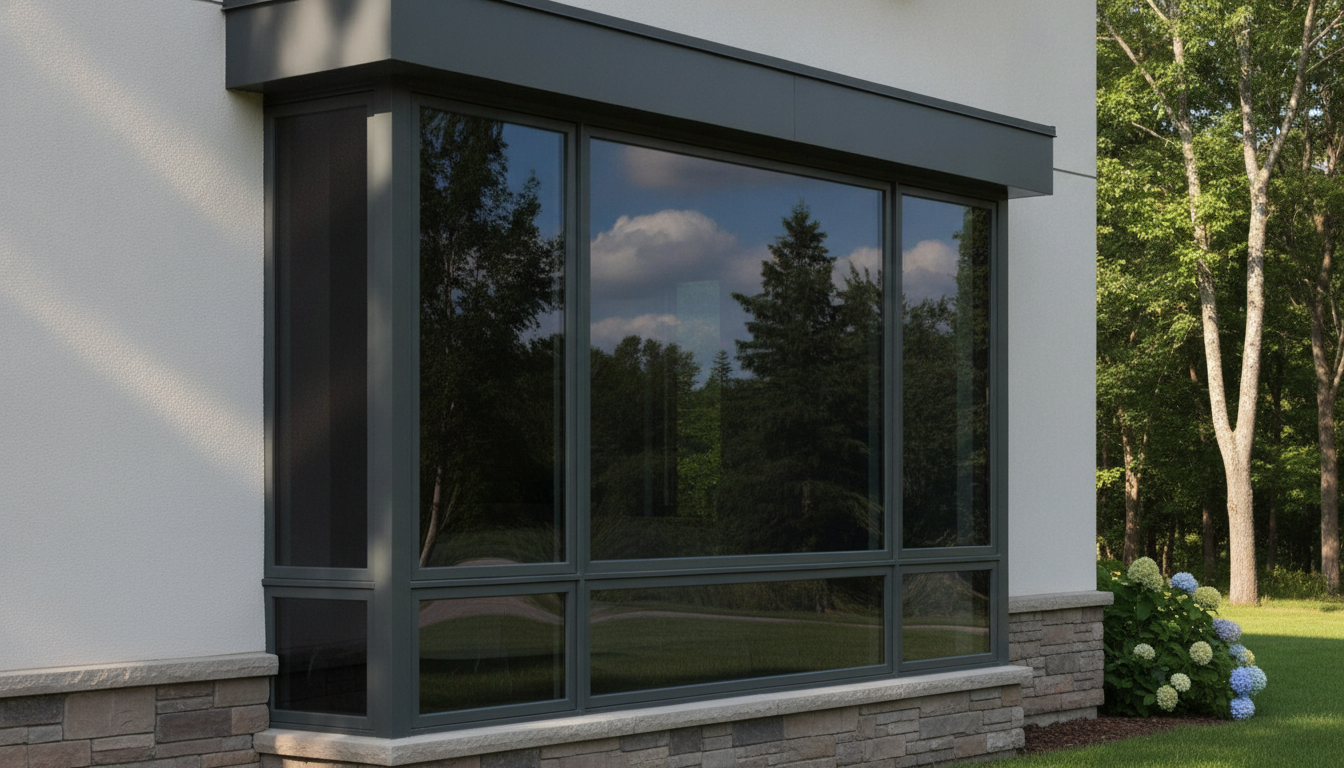
3M has manufactured window film products for decades, and its name carries genuine recognition in the residential market. The company's residential line includes several series — the Prestige series, the Night Vision series, and the Thinsulate Climate Control line — each engineered for a different balance of heat rejection, visible light transmission, and interior clarity. The Prestige series, for example, uses multi-layer optical film technology that rejects solar heat without the dark, reflective appearance associated with traditional metallic films. That matters in a neighborhood like Brentwood, where HOA guidelines often restrict visible changes to a home's exterior appearance.
The technical performance of 3M's top residential films is well-documented and measurable. Films in the Prestige series reject a meaningful portion of incoming solar energy across a wide infrared spectrum, which translates directly to reduced load on your HVAC system during the months when Tennessee heat is most punishing. That said, 3M film is a product. The installation behind it determines whether that documented performance is ever realized in your home. A film rated for high solar heat rejection installed with air pockets, misaligned edges, or improper adhesion will underperform its specifications from the first week. The brand on the box does not compensate for poor workmanship.
This is where many homeowners make a costly mistake — treating the film brand as the primary variable when the installer's skill, process knowledge, and film selection judgment are equally consequential. When you are evaluating residential window tinting for your home, the product specification sheet is only half of the conversation.
Middle Tennessee presents a window tinting challenge that homeowners in milder climates do not face with the same intensity. Brentwood and the surrounding Nashville metro sit in a region that combines high summer UV exposure, humidity levels that stress adhesives, and temperature swings that can shift dramatically between seasons. A film that performs adequately in a dry southwestern climate may not hold up the same way against the combination of heat and moisture that characterizes a Tennessee summer.
Corsair Pro LLC's approach to residential window tinting is grounded specifically in this climate reality. The film technology used is selected to address Tennessee's intense summer heat and the variable conditions that follow — not just peak summer performance, but year-round resilience. That means evaluating films not only on their solar heat rejection ratings but on their adhesive durability, their resistance to edge seal failure in humid conditions, and their optical stability over multiple heat cycles.
For homeowners researching their options, Corsair Pro LLC's full residential tinting approach reflects this climate-specific thinking. The difference between a film selected for a general national market and one chosen with Tennessee's specific seasonal demands in mind shows up over time — in how the film ages, whether the edges stay sealed through summer humidity spikes, and whether the heat rejection you paid for remains consistent after several years of use.
3M's Prestige series holds up well in this climate, which is part of why it remains a strong candidate for Middle Tennessee homes. But it is not the only film worth considering, and for some applications — particularly rooms with eastern or western exposure that receive direct afternoon sun for extended periods — other film options may offer a better balance of heat rejection and interior light quality for your specific situation.
When comparing 3M window film to other professional-grade residential options, three performance metrics matter most for Brentwood and Nashville homeowners: total solar energy rejected, visible light transmission, and UV blocking percentage.
Total solar energy rejected, often listed as TSER on product specification sheets, measures how much of the sun's total energy output the film prevents from entering your home. Higher TSER values mean more heat stays outside, which directly reduces the cooling demand placed on your air conditioning system during July and August — the months when Tennessee heat is most relentless. 3M's Prestige 70, one of the more popular residential films in the line, carries strong TSER ratings while maintaining high visible light transmission, meaning your rooms stay bright rather than taking on the darkened appearance of older metallic films.
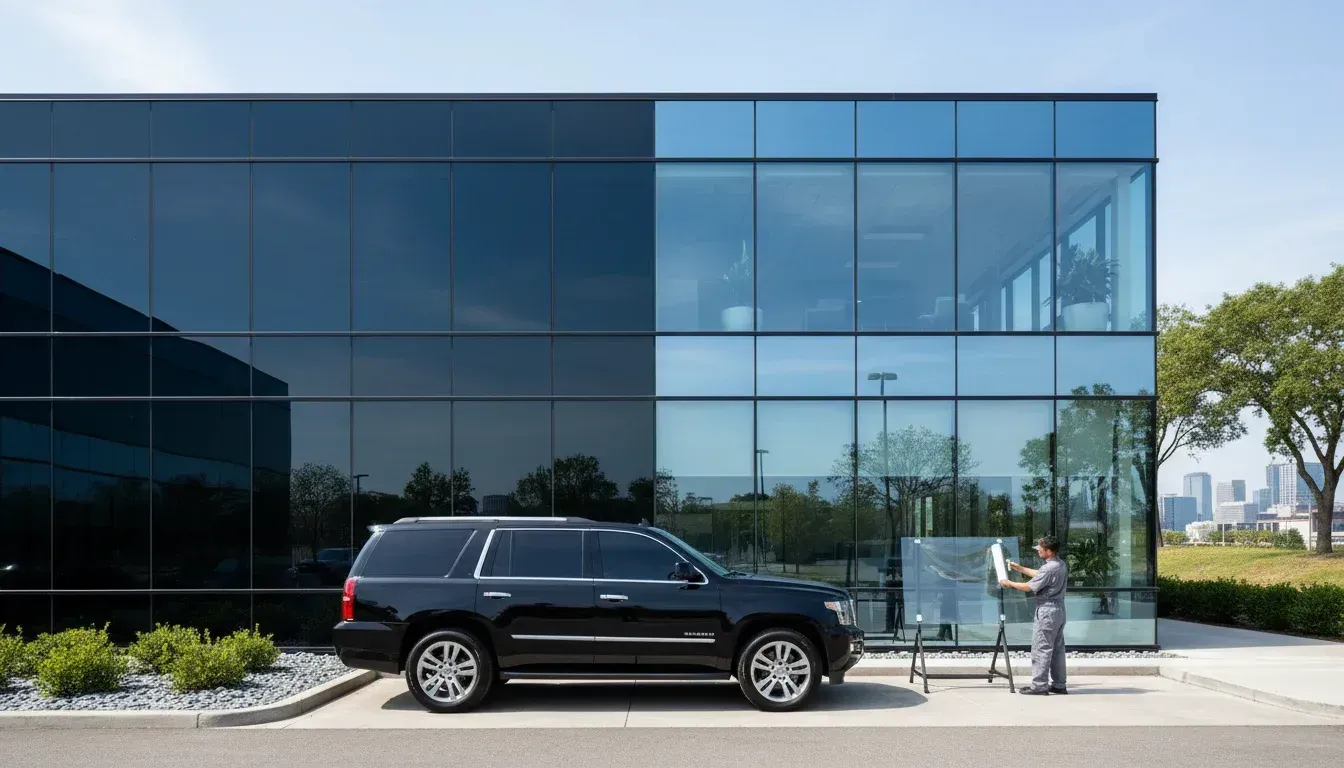
Visible light transmission, or VLT, measures how much natural light passes through the film. A VLT reading in the low range — below 35 — produces a noticeably darker interior, which some homeowners prefer for privacy but which can work against rooms where natural light is a priority. Ceramic and nano-ceramic film options from other manufacturers compete directly with 3M's Prestige series in this range, offering similar heat rejection at comparable VLT levels. The choice between them often comes down to specific window orientation, room use, and the advice of an installer who has worked with both products across multiple Tennessee installations.
UV blocking is where most professional-grade residential films converge. Films across the 3M residential line, as well as competing ceramic and nano-ceramic products, block well above 99% of UV-A and UV-B radiation. For Brentwood homeowners concerned about furniture fading, flooring discoloration, and long-term sun damage to interior finishes, this performance level is effectively consistent across premium product tiers — making film selection for UV protection less about brand differentiation and more about confirming you are in the professional-grade tier to begin with.
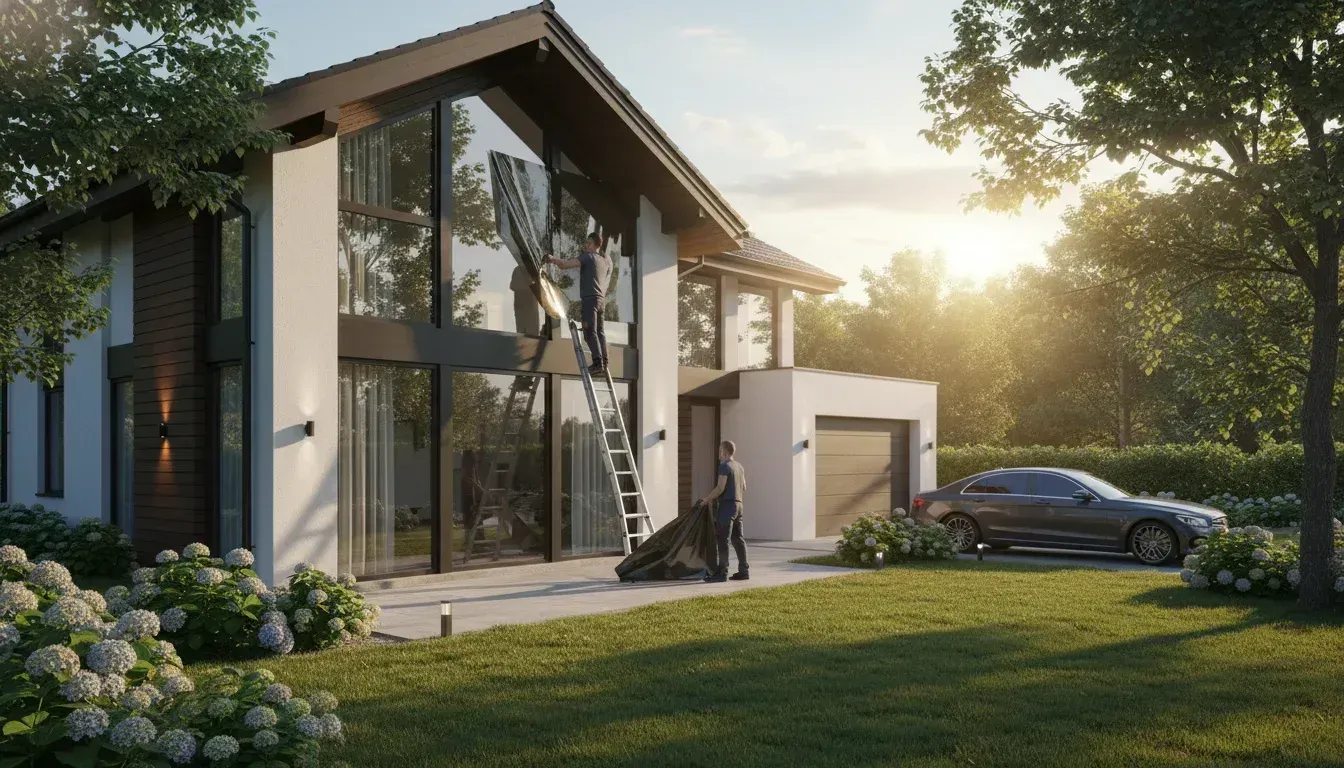
The residential window tinting market includes a wide range of installers — from established professional shops with climate-specific product knowledge to general handyman services that offer tinting as a secondary offering. The gap in outcomes between these two categories is real, and it is not reflected in the film brand printed on the packaging.
An installer working with a premium film but cutting corners on surface preparation, edge sealing, or cure time will produce results that underperform a mid-tier film installed with precision. Tennessee's humid summers accelerate edge seal failure when installation is rushed. Bubbling, peeling at corners, and premature film delamination are not product failures in most cases — they are installation failures. Homeowners who experience these issues and attribute them to the film often reinvest in the same premium brand and experience the same outcome because the root cause was never addressed.
This is the central problem that residential window tinting in the Brentwood area faces: the visibility of the brand name creates a false sense of security about the overall quality of the job. Corsair Pro LLC's residential service is built around addressing this directly — the film selection is matched to your specific windows, orientation, and climate exposure, and the installation process is executed to the standards the film's performance data was tested against. A film's rated performance is only achievable when the installation meets the conditions under which that film was evaluated.
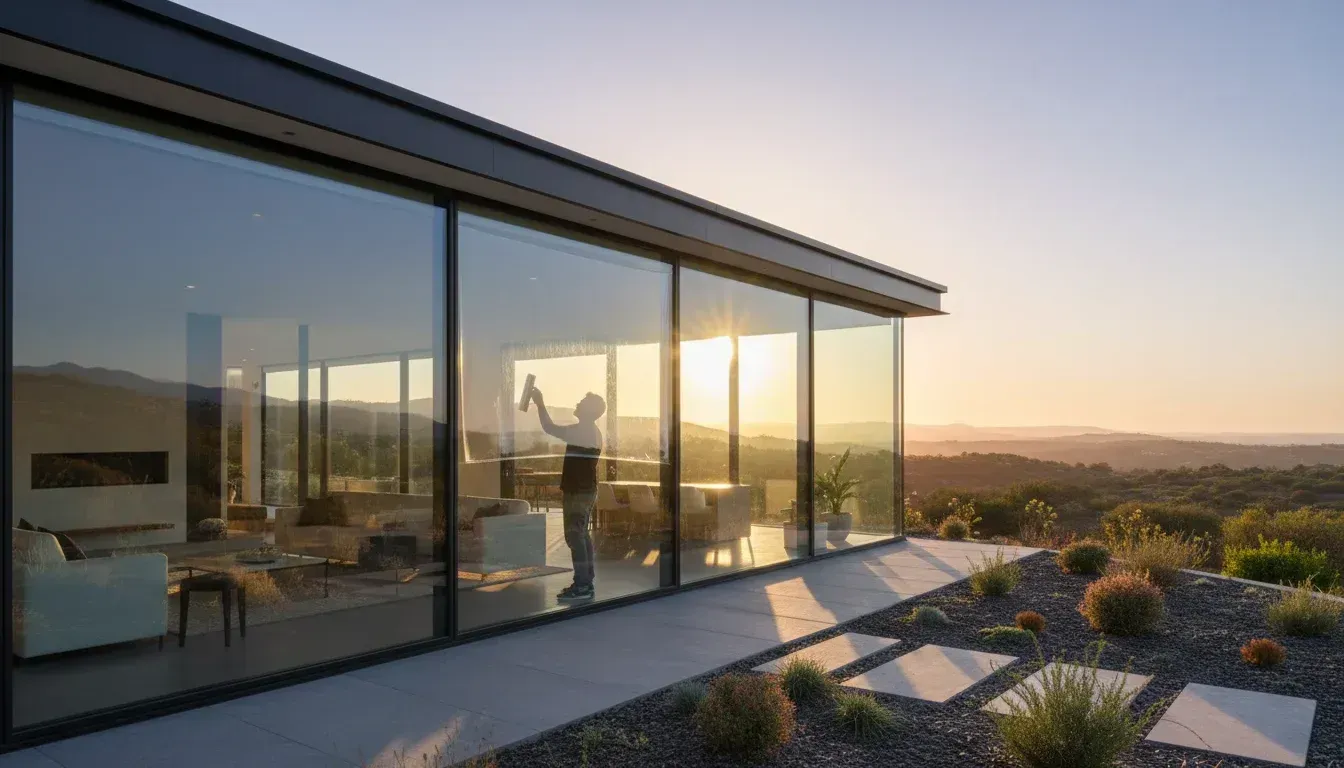
For a home in Brentwood with significant south-facing glass, the difference between a correctly specified and installed 3M Prestige film and a misapplied alternative is not marginal. It shows up in your energy costs across every cooling season, in the longevity of the film itself, and in whether the interior comfort improvement you invested in is sustained or gradually lost as the installation deteriorates.
The answer to whether 3M window film is the best window tint for your home is not a simple yes or no. It is one of several professional-grade options that can perform well in Tennessee's climate when correctly selected and installed. For many applications — particularly on homes with large windows in the Nashville metro where clarity and minimal visual change are priorities — the 3M Prestige series is a legitimate top-tier choice. For other applications, ceramic alternatives from competing manufacturers may offer a better fit based on your specific window geometry, sun exposure pattern, and interior priorities.
What remains constant across every scenario is that the installer's knowledge of Tennessee's climate demands, their product selection process, and their installation discipline matter as much as any brand specification. Corsair Pro LLC's residential window tinting service exists specifically to address that reality for homeowners in Brentwood and across Middle Tennessee. The film technology chosen is matched to the conditions your home actually faces — not to what sells most easily or what arrives fastest from a distributor.
If your home is losing comfort and driving up cooling costs every summer, the right film installed correctly is a durable solution. The starting point is an honest conversation about your windows, your exposure, and what you are trying to achieve — not a predetermined brand recommendation made before anyone has looked at your home.
Corsair Pro LLC serves homeowners in Brentwood and the broader Nashville area with residential window tinting grounded in the specific performance demands of Tennessee's climate. Reach out at (571) 314-4944 or janis@corsairdetail.com to discuss what the right film selection looks like for your home — not the most popular one, but the right one.