
Best Window Film Solutions for Modern Homes | Corsair Pro LLC
Best Window Film Solutions for Modern Homes
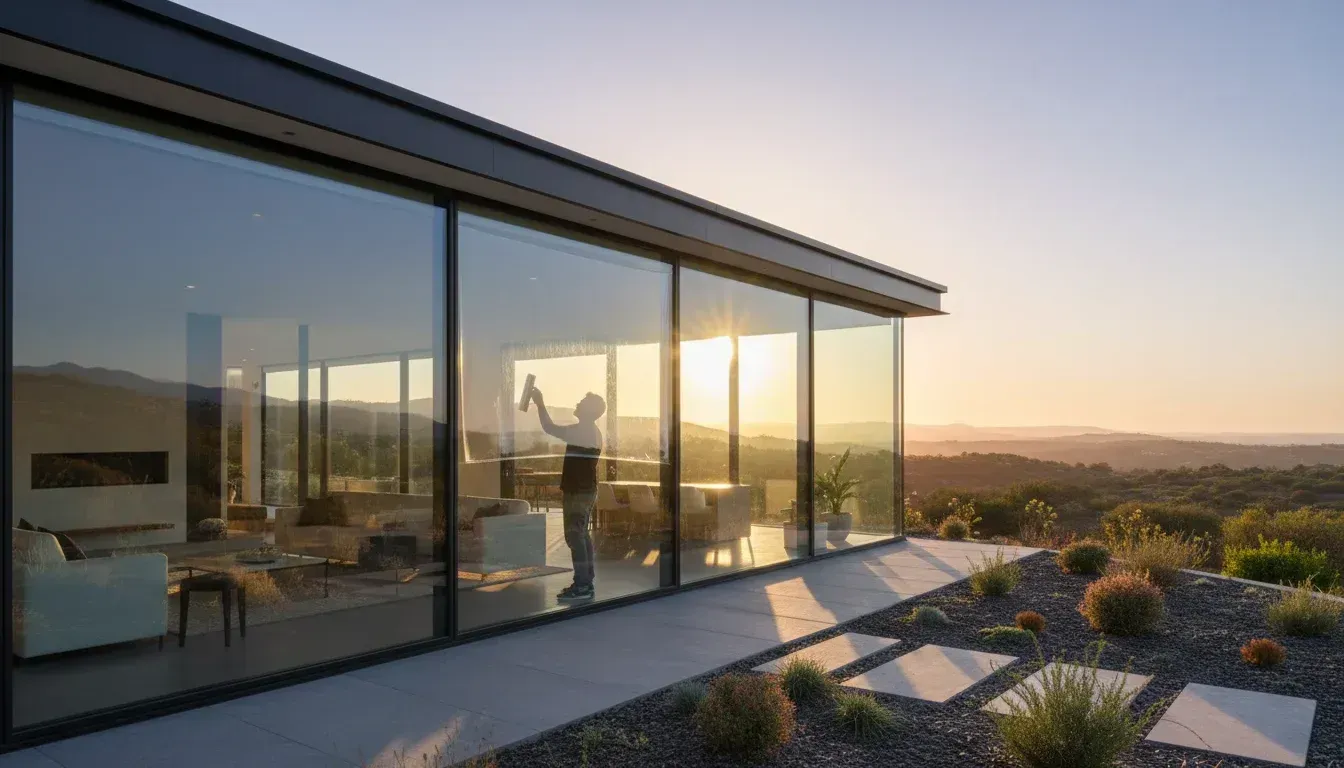
Corsair Pro LLC has built its residential window tinting service around a straightforward premise: Tennessee's climate is genuinely demanding, and generic film products were never designed to meet it. If you own a home in Brentwood or the surrounding areas, you already know what that means in practice — rooms that stay uncomfortably warm despite running the air conditioning, furniture and flooring that fades faster than it should, and energy bills that reflect how hard your HVAC system works to compensate. The residential window tinting solutions available through Corsair Pro LLC are built specifically around these realities, using cutting-edge film technology engineered for Tennessee's intense summer heat and variable climate conditions. This article walks through what separates high-performance window film from cheaper alternatives, what to look for when evaluating your options, and why the right installation in the Brentwood area makes a measurable difference in how comfortable and efficient your home actually is.
Why Generic Window Film Falls Short in Tennessee's Climate
Not all window film is manufactured with regional climate in mind, and that distinction matters considerably in Middle Tennessee. The summer heat in this part of the state is not simply a matter of high temperatures — it is a combination of sustained intensity, high humidity, and variable weather patterns that cycle between extreme heat and significant temperature swings across the same week. Film products designed for mild climates or marketed as universal solutions frequently fail to account for this variability, which means they may perform adequately during moderate conditions but leave your home exposed during the months when performance matters most.
The core problem with lower-grade film is that it addresses one variable in isolation. A product optimized only for visible light reduction, for instance, may do little to block the near-infrared radiation responsible for the radiant heat you feel when sitting near a window on a July afternoon. Similarly, a film with high solar heat gain coefficient ratings in marketing materials may deliver real-world results well below those numbers once installed on south- or west-facing windows that receive direct sun exposure for extended portions of the day.
The approach that Corsair Pro LLC takes starts with film technology specifically selected to address Tennessee's conditions rather than a generic catalog of options. This means evaluating solar heat gain, UV blocking capacity, glare reduction, and durability under the specific stress that Brentwood homes experience across all four seasons — not just during peak summer. A quality film installation on a home in this area should reduce UV transmission by a meaningful margin, and the films used in a properly specified residential installation are capable of blocking over 99% of ultraviolet radiation, which is a figure supported by the manufacturers of ceramic and spectrally selective films used in professional installations.
If you have ever noticed that a room with large south-facing windows stays stubbornly hot regardless of your thermostat setting, you are experiencing exactly the gap that the right film technology closes.
How Film Technology Has Changed What's Possible for Brentwood Homeowners
The residential window tinting market has shifted substantially over the past decade, and the options now available to homeowners in Brentwood represent a genuine departure from the tinted, reflective films most people associate with commercial applications. The most significant advances have come in the area of spectrally selective and ceramic film technology, both of which achieve high solar heat rejection without the reflective appearance or significant visible light reduction that older film categories required.
Spectrally selective films work by targeting specific wavelengths of solar energy — primarily the near-infrared spectrum — while allowing visible light to pass through at levels close to an untreated window. For homes where aesthetics matter, this means you can achieve meaningful heat reduction without darkening your interior or altering the appearance of your home from the street. Ceramic films take a different approach, using nano-ceramic particles that are non-conductive and non-metallic, which makes them particularly effective for homes where signal interference from older metallic films has been a concern.
You can explore the full range of residential film options that Corsair Pro LLC offers at corsairtint.com, where the service details reflect the specific film categories used in Tennessee installations rather than a generic product list. The distinction between a ceramic film rated for high solar heat rejection and a standard dyed film is not incremental — it is the difference between a product that performs consistently across a 10-to-15 year lifespan and one that fades, bubbles, or fails to deliver its rated performance within the first few years.
For homeowners in Brentwood who are weighing the investment, the relevant question is not whether window film works — the underlying physics are well established — but whether the specific product and installation being offered are appropriate for the climate and the home's window orientation. A south-facing wall of windows in Brentwood faces a different solar load than a north-facing one, and a film specification that ignores that difference is not doing its job.
What Makes a Residential Installation Last in Tennessee's Variable Conditions
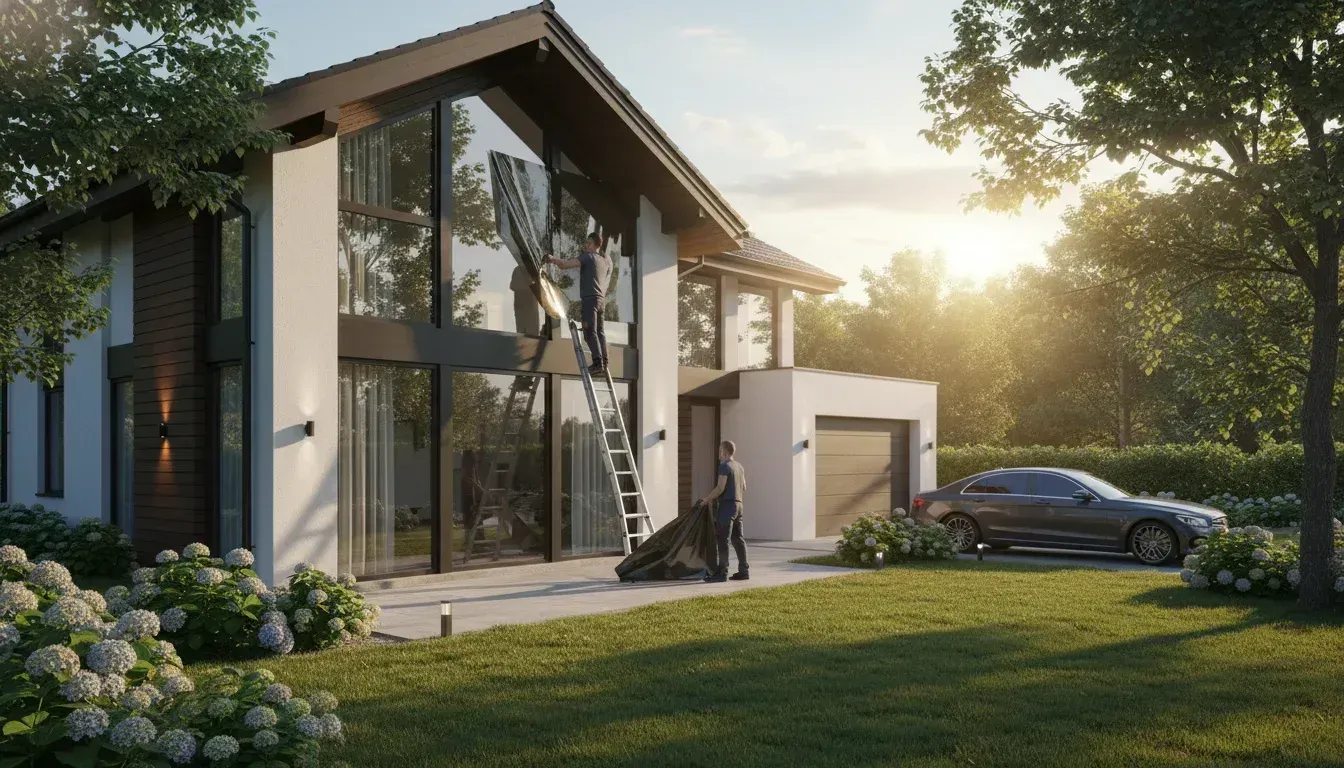
Film performance over time is as much a function of installation quality as it is of the film itself, and this is where the gap between professional window tint services and DIY or low-cost alternatives becomes most apparent. A film that is applied without proper surface preparation, cut with insufficient precision, or installed in conditions that do not allow proper adhesive curing will fail to deliver its rated specifications — and it will typically begin showing visible signs of failure, such as edge lifting or bubbling, well before its rated lifespan.
Tennessee's climate adds specific stress to this equation. The combination of high summer temperatures and occasional significant cold during winter months means that window film in this region experiences a wider thermal expansion and contraction cycle than films installed in more temperate climates. A film and adhesive system that is not rated for this range of thermal stress is a poor match for a Brentwood home, regardless of how its heat rejection numbers look on a specification sheet.
The cutting-edge film technology that Corsair Pro LLC applies to residential installations is specifically chosen to address these conditions. That means selecting film products with adhesive systems rated for the thermal cycling Tennessee homes experience, using precision cutting and application techniques that eliminate the edge gaps and contamination points where failure typically begins, and ensuring that post-installation curing happens under conditions that allow the adhesive to bond properly before the film is exposed to direct sun. These are not arbitrary preferences — they are the factors that determine whether a residential window tinting investment delivers its expected return over the life of the product.
One practical consideration for homeowners: most quality ceramic and spectrally selective films come with manufacturer warranties in the range of 10 to 15 years for residential applications, but those warranties are typically contingent on professional installation. A film that is self-installed or applied by an uncertified technician will rarely qualify for full warranty coverage, which means that any film failure within that period becomes an out-of-pocket expense rather than a covered replacement.
Evaluating Your Home's Windows Before Choosing a Film Solution
Not every window in your home requires the same film specification, and a proper residential assessment starts with understanding which windows are driving the most heat gain and UV exposure. In Brentwood homes, south- and west-facing windows typically represent the highest priority because they receive direct sun during the peak heat hours of the afternoon. East-facing windows, by contrast, receive morning sun when outdoor temperatures are lower and solar intensity is reduced, which means the heat gain they contribute is meaningfully less than what occurs on the afternoon-facing side of the house.
Double-pane insulated glass units, which are standard in most Brentwood homes built within the past two decades, require film products with specific low-emissivity compatibility ratings. Applying a film with too high a solar absorbance rating to a double-pane unit can cause thermal stress to the glass, which in rare cases can lead to seal failure or glass damage. This is one of the technical reasons why residential window tint services require a proper assessment before film selection, not after it.
The window tint services that serve Brentwood homeowners well are those that begin with this kind of diagnostic approach — identifying which windows are the primary drivers of heat gain, assessing the glass type and construction, evaluating the home's orientation, and then matching a film specification to those findings. The goal is a solution that performs as promised for the full lifespan of the product, not one that looks good on paper but was never matched to the actual conditions of your home.
Making the Right Decision for Your Home's Long-Term Comfort and Efficiency
Corsair Pro LLC has structured its residential window tinting service around the specific demands of Tennessee homes because that focus produces installations that hold up over time and deliver the heat rejection, UV protection, and comfort improvements that homeowners in this region are actually looking for. The film technology used is selected for performance under Tennessee's climate conditions, not chosen from a generic catalog and applied without regard for your home's orientation, glass type, or seasonal exposure patterns.
If you have been managing the heat and glare in your Brentwood home through heavier window treatments, higher thermostat settings, or simply tolerating rooms that are never quite comfortable in July, a properly specified residential window film installation addresses those problems at the source. The investment in quality film and professional installation pays for itself through reduced cooling load, extended furniture and flooring life, and a home that stays comfortable without requiring your HVAC system to work at its limits through a Tennessee summer.
Reach out to Corsair Pro LLC at +1 (571) 314-4944 or janis@corsairdetail.com to discuss your home's specific conditions and get a clear picture of which film solutions are the right fit. A home that works with Tennessee's climate rather than against it is worth the conversation.