
What a Residential Window Tinting Job Includes — Room by Room
Tennessee summers are relentless. If you live in Brentwood, Franklin, or anywhere in the Nashville area, you already know what it feels like to stand near a sun-drenched window in July and feel the heat radiating straight through the glass. At Corsair Pro LLC, we use cutting-edge film technology specifically designed to combat Tennessee's intense summer heat and variable climate conditions — and understanding what the process actually looks like, room by room, helps you make a confident decision before the first roll of film is ever cut. This article walks you through residential window tinting services, what to expect at every stage, so there are no surprises on installation day.
What Happens Before Any Film Gets Applied: The Initial Visit
The first visit is not a formality. It shapes every decision that follows, from which film performs best in each room to how long the installation will take. Rushing this step — or skipping it entirely — is how homeowners end up with the wrong film in the wrong rooms, and that is a mistake that costs time and money to undo.
During the initial assessment, we look at several things. Window size and configuration matter because some windows, especially older single-pane units or oddly shaped architectural glass, need different handling than standard double-pane windows. Orientation matters too. A west-facing living room wall takes in a different heat load than a north-facing bedroom, and the film recommendation should reflect that difference.
We also look at what you are trying to solve. Heat reduction is the most common goal in Tennessee homes. Glare control comes up frequently, especially in rooms with televisions or home offices where afternoon sun makes screens unusable. Privacy is another driver, particularly for street-facing rooms or bathrooms. UV protection — blocking the ultraviolet light that fades furniture, flooring, and artwork over time — matters to most homeowners even if it is not the first thing they mention.
Once we have a clear picture of your home's layout and your priorities, we can match the right film to each room rather than applying one product across the entire house. That specificity is what separates a well-executed residential window tinting job from a one-size-fits-all approach.
Living Rooms and Common Areas: Balancing Light, Heat, and Visibility
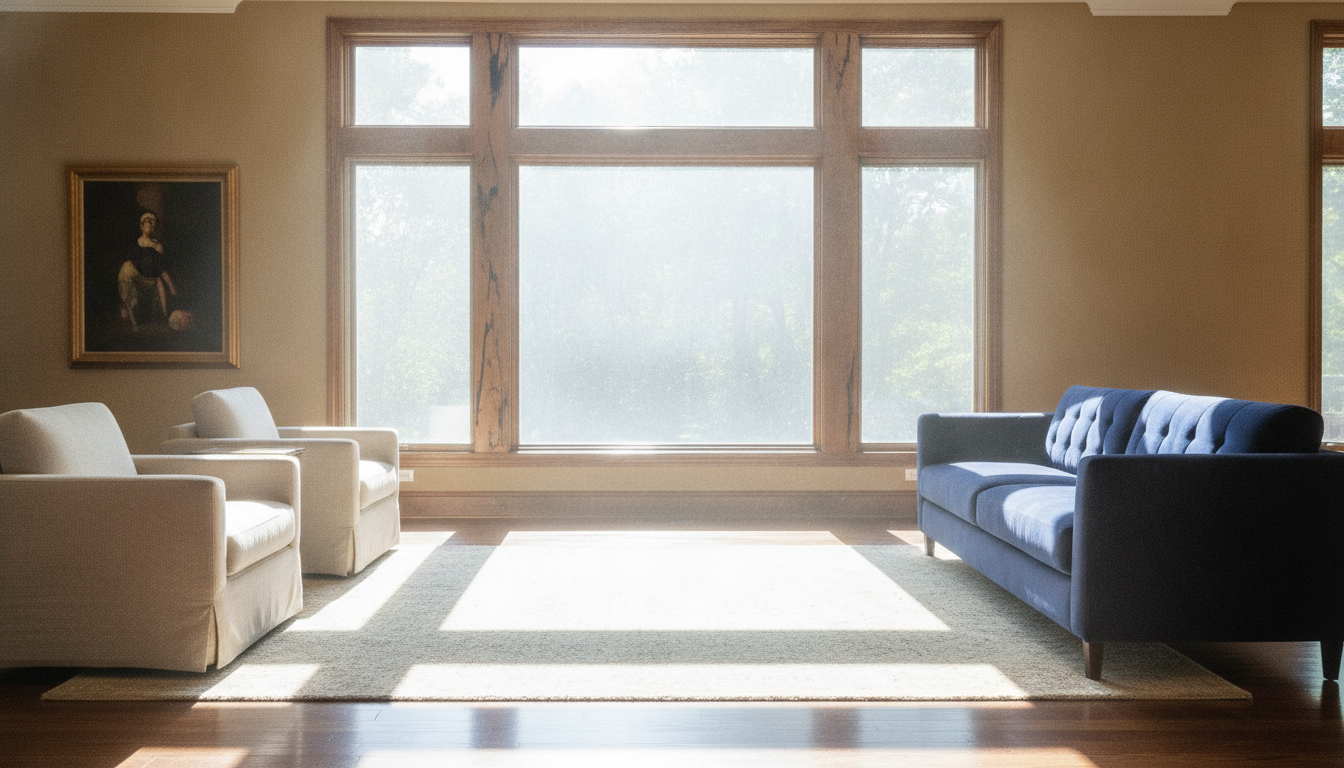
The living room is usually where residential window tinting makes the biggest visible difference, and it is also where the stakes for getting the film selection right are highest. You want heat reduction without turning the room dim. You want glare control without losing the outdoor view you paid for when you bought the house.
The films we use in common living areas are chosen specifically for that balance. Spectrally selective films (films engineered to block infrared heat and UV rays while allowing visible light through) let a room stay bright while cutting the heat load dramatically. The visible light transmission — the percentage of light the film allows through — varies by product, and selecting the right level depends on which direction the windows face and how much natural light the room currently gets.
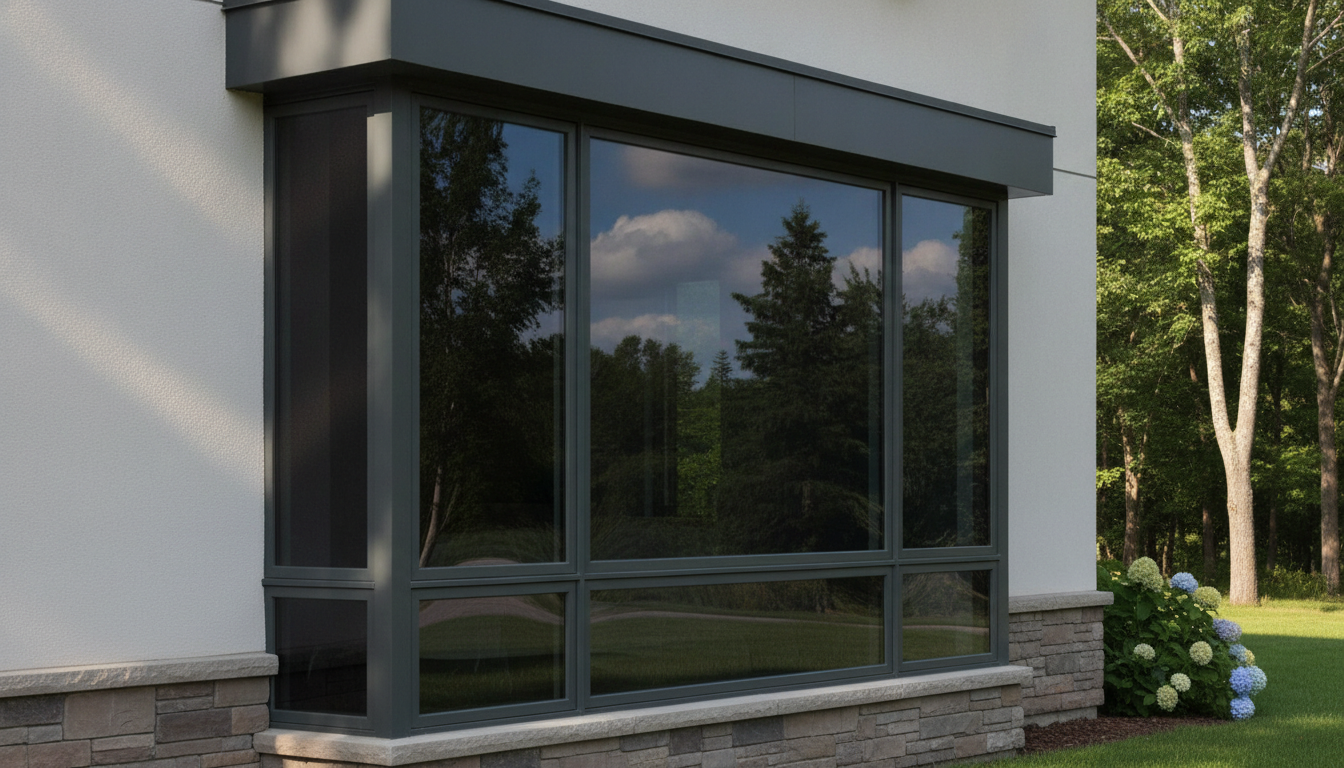
In rooms with large picture windows or sliding glass doors, we pay close attention to reflection. Some films carry a mirrored appearance on the exterior, which certain homeowners prefer for daytime privacy. Others are nearly invisible from the outside. We explain the difference clearly before anything goes on the glass.
Installation in living areas typically takes longer than in bedrooms simply because the windows are larger and often more numerous. Furniture near windows may need to be moved back to give our installers clean access to the full window frame. We account for that in the timeline we give you before work begins.
For homeowners across the
Corsair Pro LLC service area — from Brentwood to College Grove — living rooms facing west or southwest tend to see the most dramatic comfort improvement after tinting. That orientation catches the full force of afternoon sun in Tennessee, and the right film turns an overheated room into one you can actually use in the summer months.
Bedrooms and Home Offices: Privacy, Sleep, and Glare Control
Bedrooms have a different set of priorities than living rooms. Morning sun pouring through east-facing bedroom windows can disrupt sleep patterns and fade bedding and carpet faster than most people expect. Privacy is also a more pressing concern in bedrooms, especially ground-floor rooms that face a street, a neighboring property, or a shared walkway.
For bedroom windows, we often recommend films with lower visible light transmission than what we would use in a living room. These films allow enough light to enter during the day without the harshness of direct sun, and they provide a meaningful privacy layer without requiring blackout curtains. In rooms where you want to sleep past sunrise, that combination matters.
Home offices present a specific challenge that has become more relevant as remote work has become common in communities like Franklin and Thompson Station. If your monitor sits near a window, afternoon glare makes it difficult to see the screen regardless of how bright the display is. Anti-glare films reduce that scatter without making the room feel like a cave. The result is a workspace you can actually use throughout the day.
UV-blocking performance is worth emphasizing in bedrooms particularly. Ultraviolet light fades fabric faster than most other factors. Window film blocks a significant portion of UV radiation — the specific percentage depends on the film selected — and that protection extends the life of curtains, rugs, and furniture without requiring any change to how the room looks or functions.
Bedroom windows are also typically faster to film than living room windows, which means if your primary concern is a single room, the job can often be completed in a shorter window of time. We walk through the room-by-room timeline with you before installation begins so you know what to plan for.
Kitchens and Dining Areas: Heat Management Where It Already Runs Hot
The kitchen is already the warmest room in most homes when it is in use. Add direct sun through south- or west-facing windows, and the space becomes genuinely uncomfortable. Tinting kitchen windows addresses that extra heat load without affecting ventilation or requiring any structural changes to the room.
In dining areas with large windows, the goal is usually a combination of heat reduction and glare control. Morning sun through east-facing dining room windows is pleasant in cooler months but punishing in Tennessee's summer, when it can make a simple breakfast uncomfortable. Film with moderate visible light transmission handles this well — enough to soften the glare without darkening the room.
One practical note for kitchen installations: window film should not be applied to windows directly adjacent to stovetops or ovens that produce extreme ambient heat. The heat generated by cooking appliances can stress certain films and affect their adhesion over time. We identify those situations during the initial assessment and either recommend a film rated for higher heat tolerance or note that a particular window is not a good candidate for tinting. That kind of honest assessment is part of doing the job correctly.
Bathrooms and Entry Windows: Privacy Without Losing Natural Light
Bathrooms are one of the most straightforward applications for window tinting, and one of the most satisfying. The goal is almost always privacy, and decorative or frosted privacy films deliver it without requiring frosted glass replacement or permanent window treatments that block light entirely.
Frosted and decorative films (films with a textured or translucent surface that obscures visibility while still transmitting diffused light) work well in bathrooms because they let natural light in while making it impossible to see through the glass from the outside. They are applied directly to the glass surface and, when installed correctly, look like the glass itself rather than an afterthought.
Entry windows — the sidelights flanking a front door, the transom windows above it — are another common application. These windows let in light but also let anyone on the porch see directly into the home. Privacy film on entry windows addresses that without changing the appearance of the front of the house in any dramatic way.
In Brentwood and Franklin neighborhoods where homes sit close together or face busy streets, privacy film on bathrooms and entry windows is one of the most practical upgrades available. It does not require any ongoing maintenance, does not need to be replaced seasonally, and works around the clock — unlike a curtain you have to remember to close.
The Installation Day: What the Process Actually Looks Like
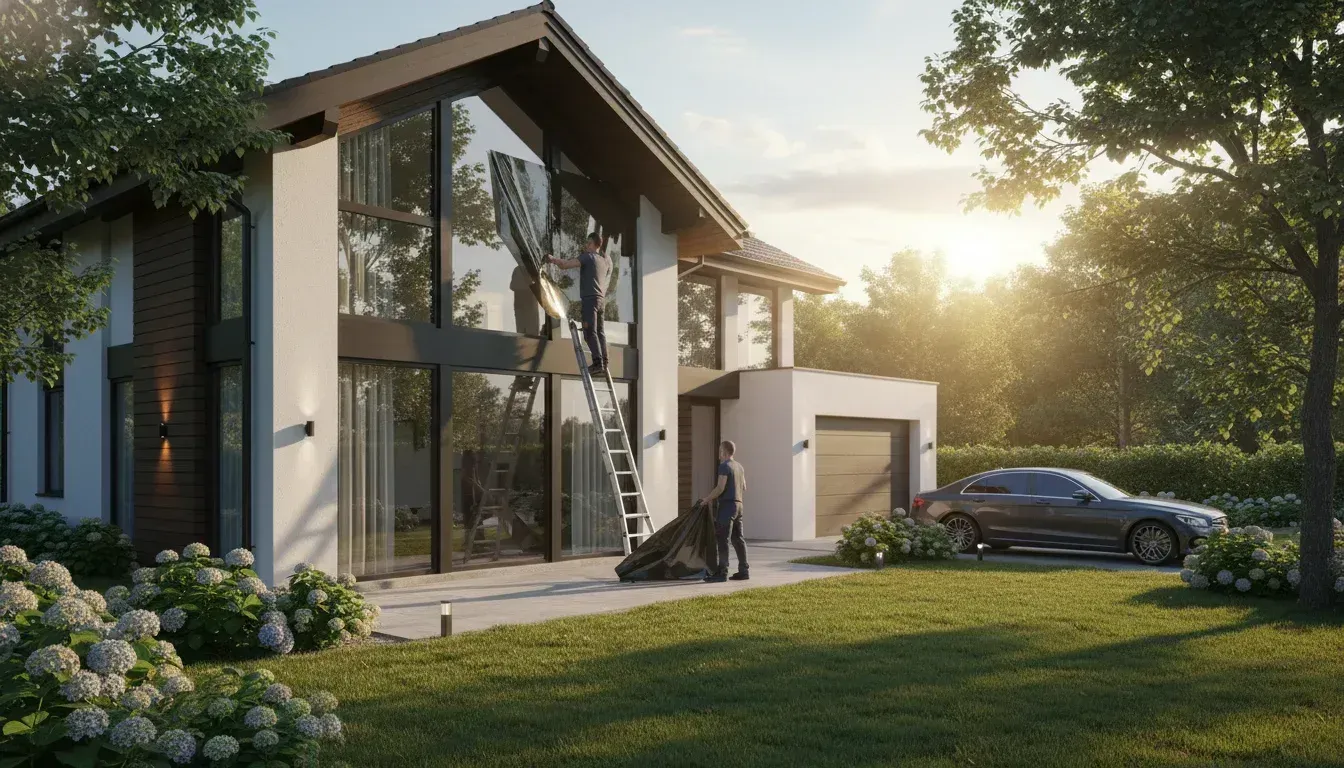
On installation day, the process is more precise than most homeowners expect. Window film installation is not like painting a wall. The margin for error is small, and the technique matters.
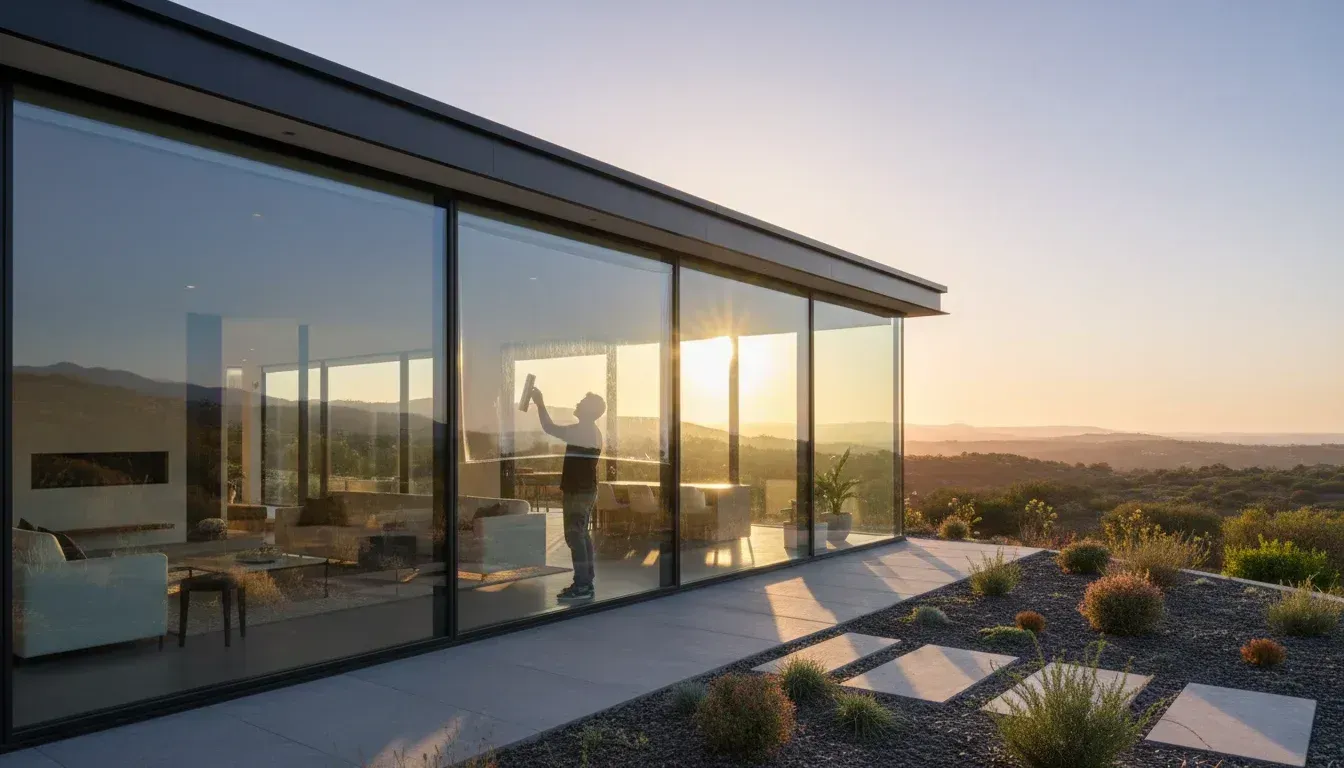
We begin by cleaning the glass thoroughly. Any dust, oil, or residue left on the surface will show up as a bubble or inclusion under the film, and it will not go away on its own. The cleaning step takes real time, and we do not rush it.
The film is then cut to size for each individual window — not trimmed after application. Precise cutting before application means cleaner edges and less material waste. The film is applied wet (a solution is used between the film and the glass to allow repositioning before the adhesive sets), squeegeed flat, and then trimmed where needed to fit the window frame.
After installation, the film goes through a curing period. This is the stage that most homeowners are not expecting. During curing — which takes days to weeks depending on the film and the ambient temperature — you may see small water pockets or a slight haze in the film. This is normal. It is not a defect. The pockets shrink and disappear as the moisture between the film and the glass evaporates. We explain this clearly before we leave so you know what you are looking at.
The Final Inspection: How You Know the Job Was Done Right
The final inspection is where residential window tinting services — what to expect at the end of the process — becomes concrete. A properly installed film sits flat against the glass with no visible bubbles, lifting at the edges, or debris caught beneath the surface. The edges are trimmed clean, not ragged. The film matches the room it was specified for in terms of visible light transmission and tint level.
We walk through every window with you. If anything does not meet that standard, we address it before we consider the job complete. That walkthrough is not optional — it is part of what it means to do this work correctly.
You will also get a clear explanation of how to care for the film going forward. Freshly installed film should not be cleaned aggressively for a short period after installation to allow full curing. Once cured, maintenance is simple: mild soap, water, and a soft cloth. No ammonia-based cleaners, which can degrade the film over time.
If you are in Brentwood, Nashville, Franklin, Thompson Station, or College Grove and you are thinking about residential window tinting, the place to start is a conversation about what your home actually needs — not a one-size product pushed out the door. That is exactly how we approach it at Corsair Pro LLC. Reach out and we will walk through it with you.